

Our Most Suggested Products


All in one Tag
The All in One Tag module enhances Odoo’s data organization by enabling unified tag management across multiple business processes, including Sales, Purchase, Inventory, CRM, and Accounting. It allows users to categorize and label records efficiently, making information easier to search, filter, and analyze.
 Features
 Screenshots
 Support
 Service
Features
Advanced Search and Filtering with Tags
Tags act as powerful filters, allowing users to quickly locate specific records based on defined categories. Whether handling quotations, invoices, or CRM opportunities, users can refine searches using tags to access relevant data instantly.
Mass Tagging for Efficient Record Management
The module includes a mass tagging feature that enables users to assign tags to multiple records in one action. This is especially useful when dealing with bulk data operations or when categorizing large volumes of records.
Tag Visibility Control
Enable or disable tag fields across different views, such as list and kanban.
Screenshot
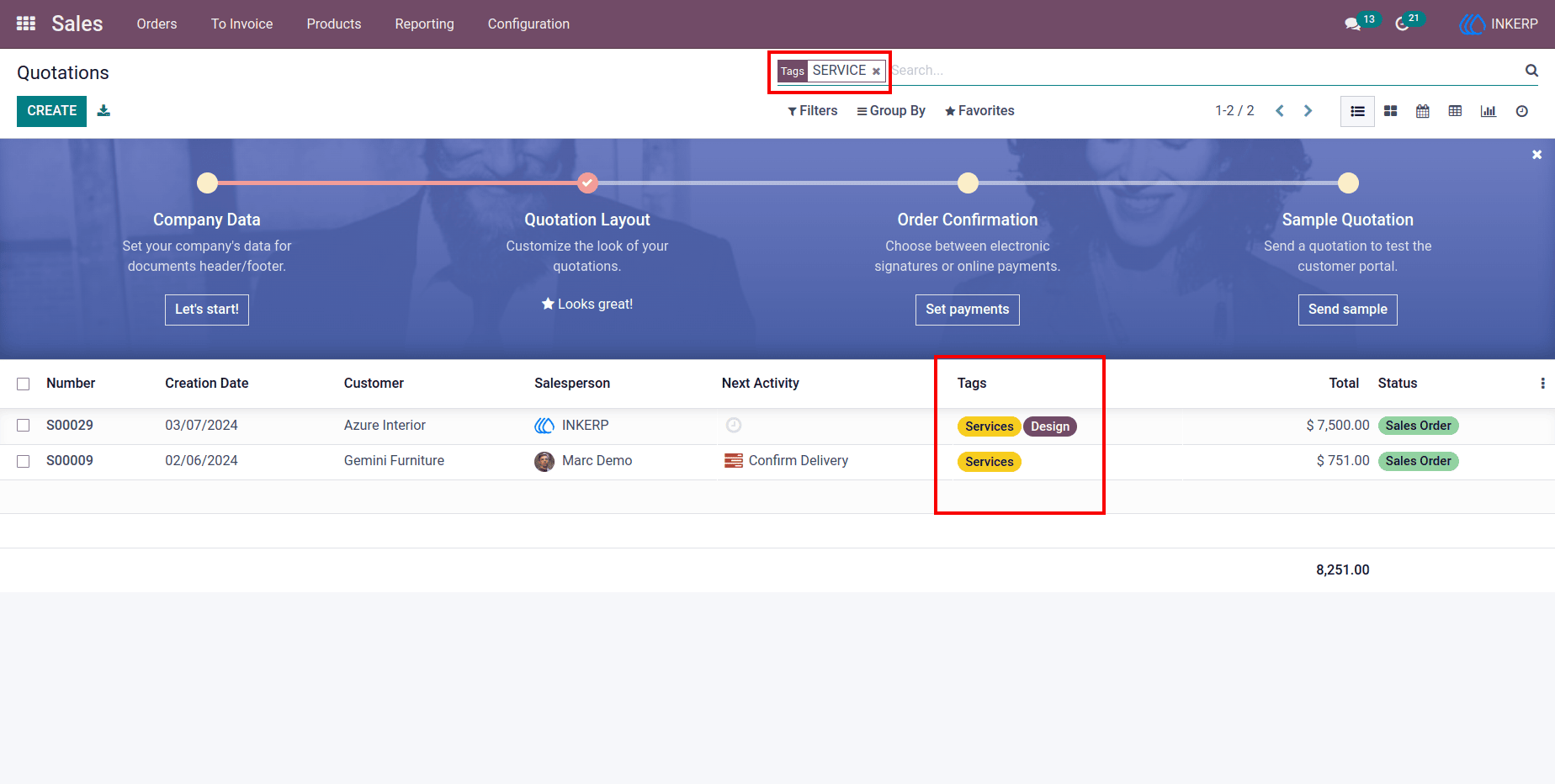
1.) Quotation Tag Search View
Finding quotations becomes faster with tag-based search directly available in the search panel. Users can quickly narrow down results by selecting relevant tags, making it easier to locate specific quotations without scrolling through large datasets.
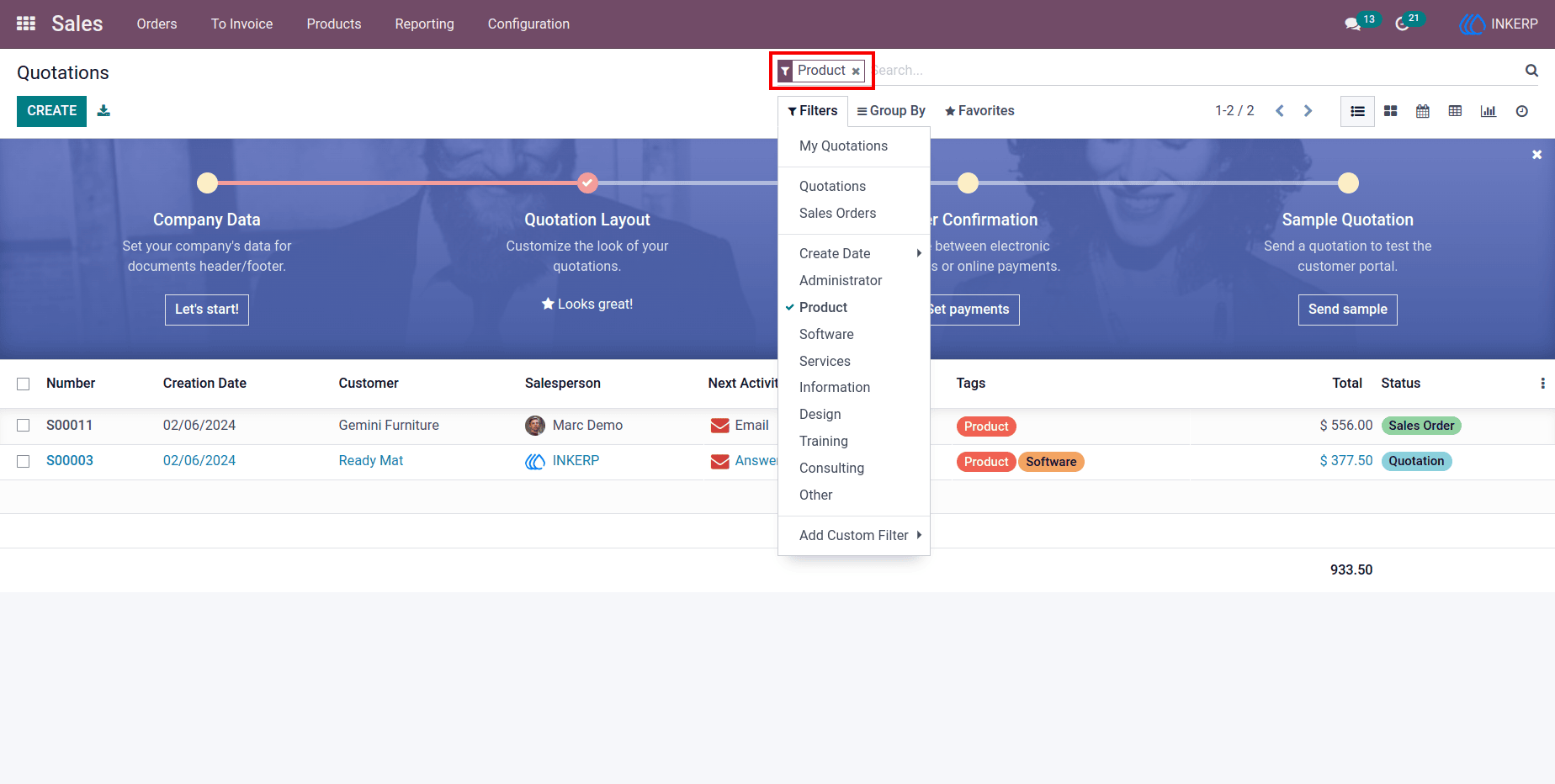
2.) Quotation Filter View
Filtering quotations and sales orders using tags allows users to organize records based on categories, priorities, or business logic.
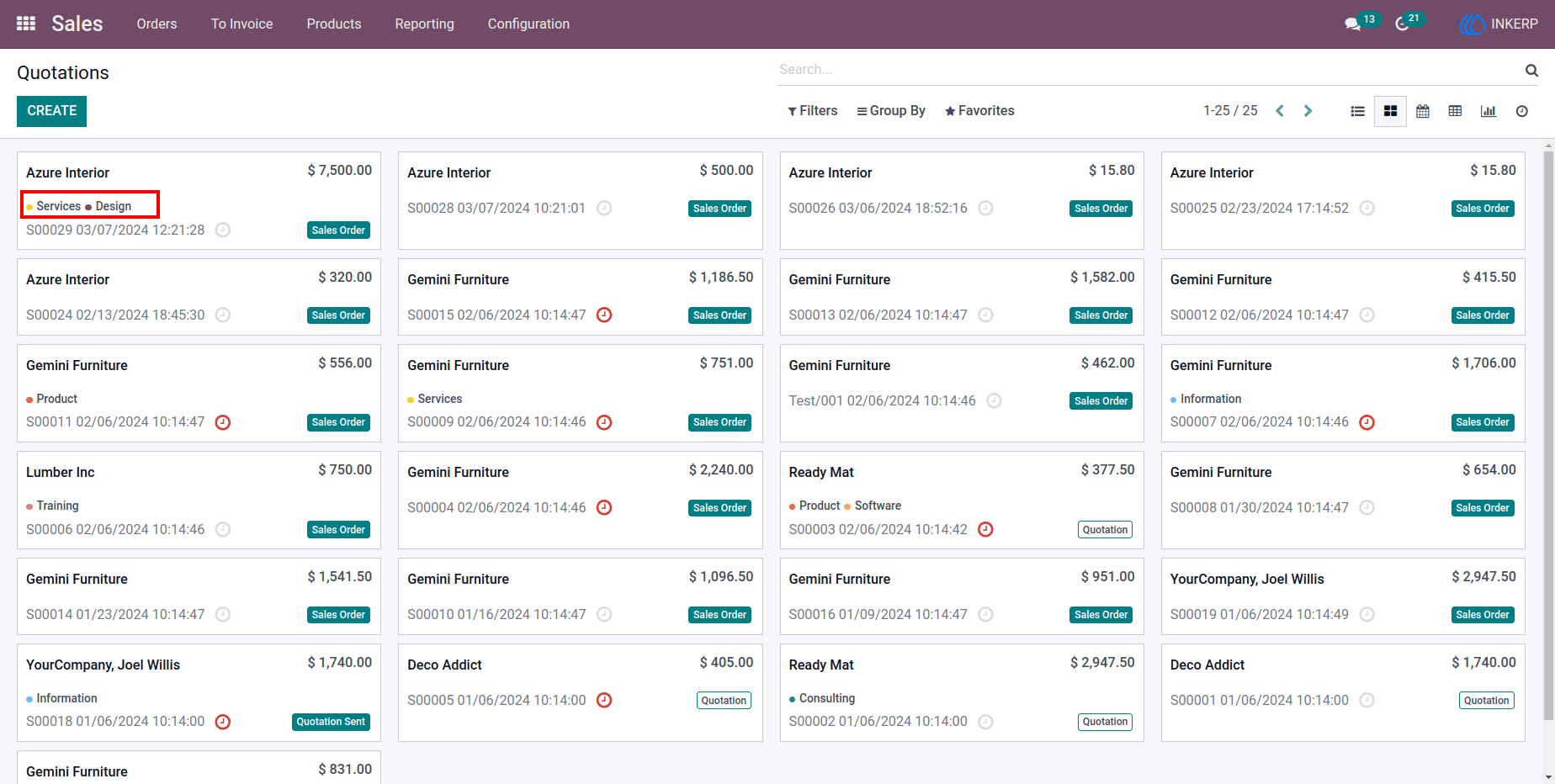
3.) Quotation Kanban View
Tags are clearly visible within the Kanban layout, providing a quick visual overview of categorized quotations.
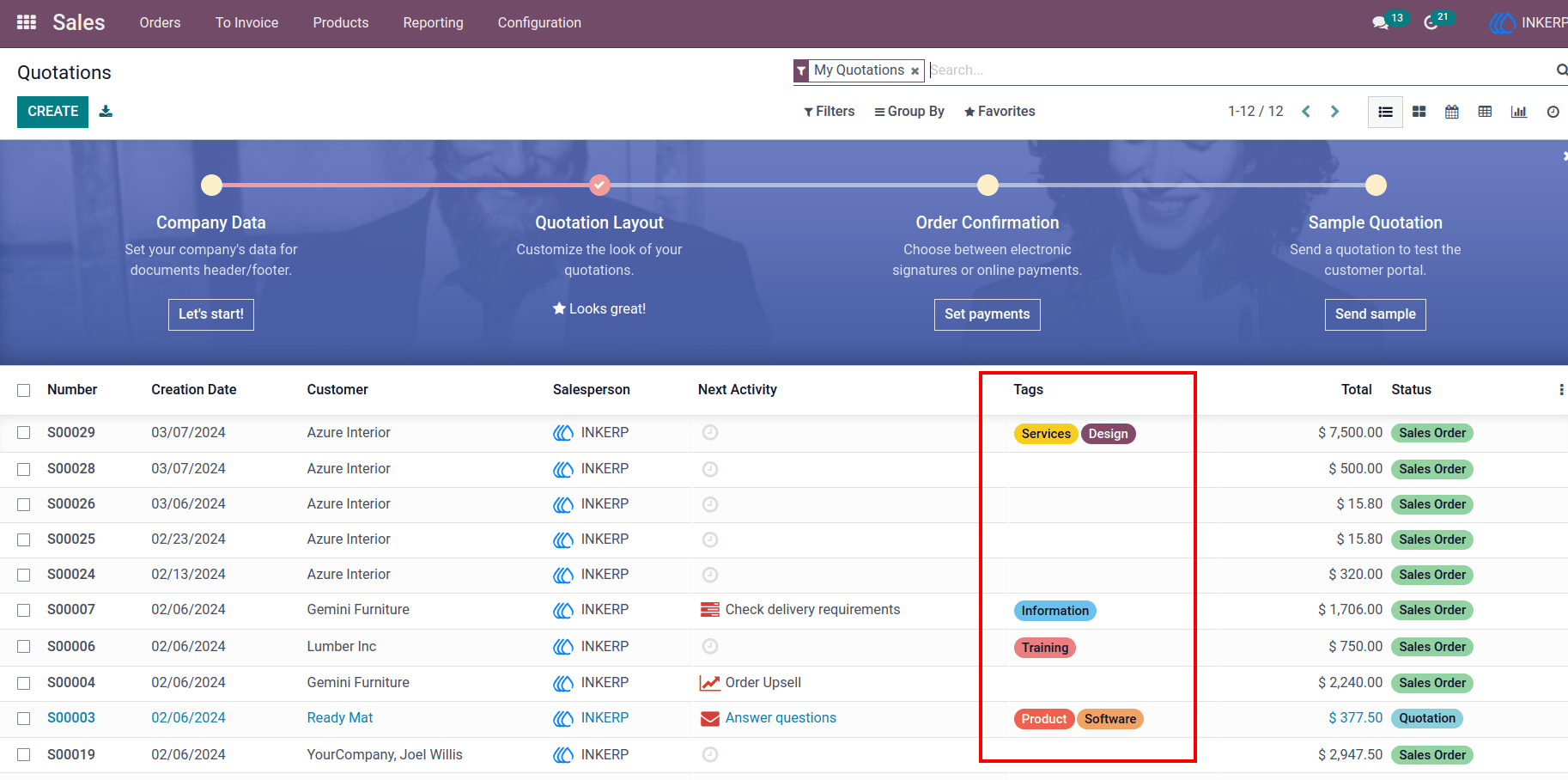
4.) Quotation List View
The list view offers flexibility by allowing users to enable or disable the tag column as needed.
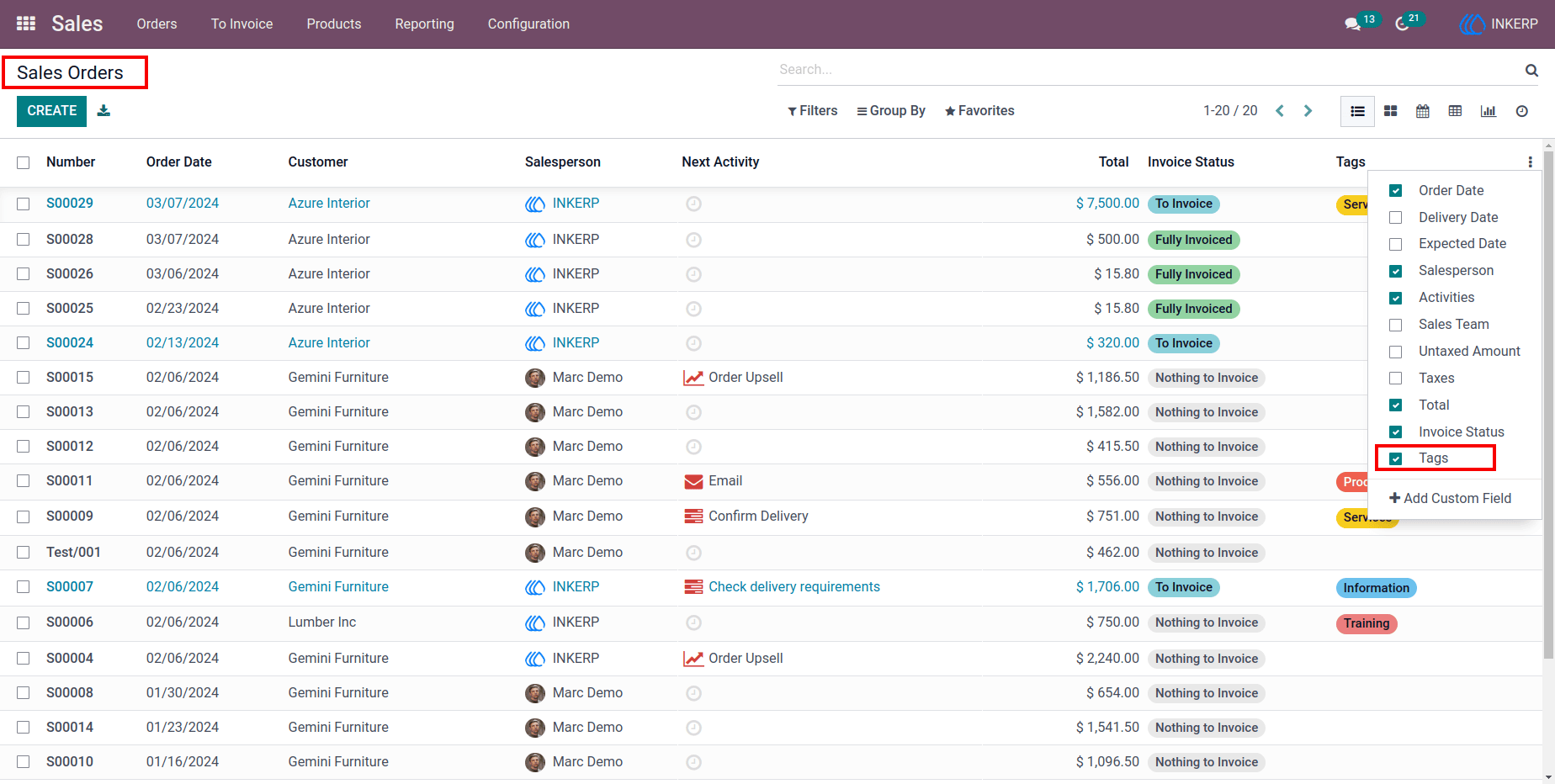
5.) Sales Orders View
Tag-based search is also available for sales orders, ensuring consistency across the sales workflow. Users can additionally control the visibility of tag columns in the list view, making it easier to tailor the interface to their preferences.
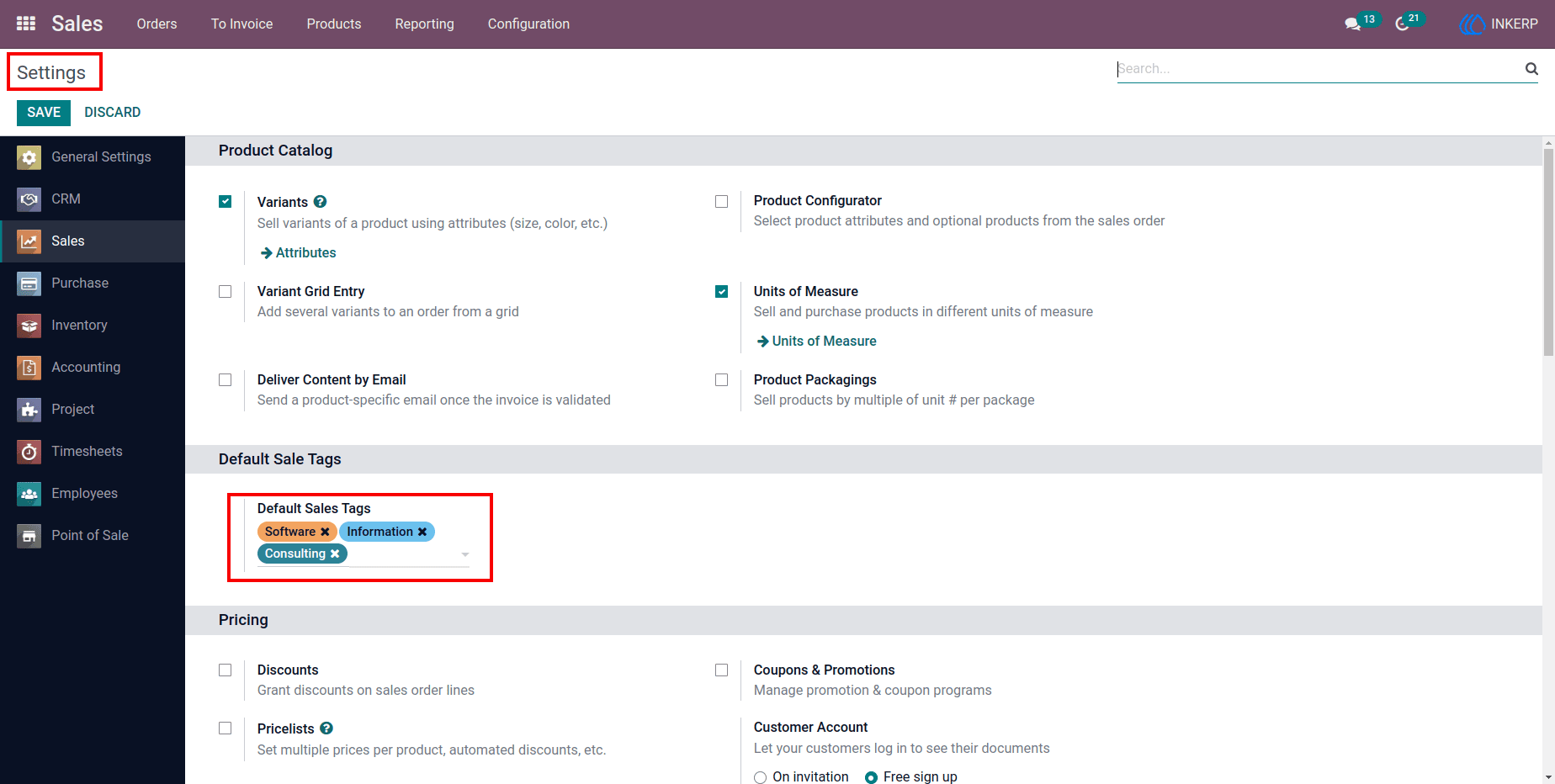
6.) Settings View (Default Tags Configuration)
Default tags can be configured centrally, allowing users to define which tags should be applied to specific modules such as Sales, Purchase, or others.
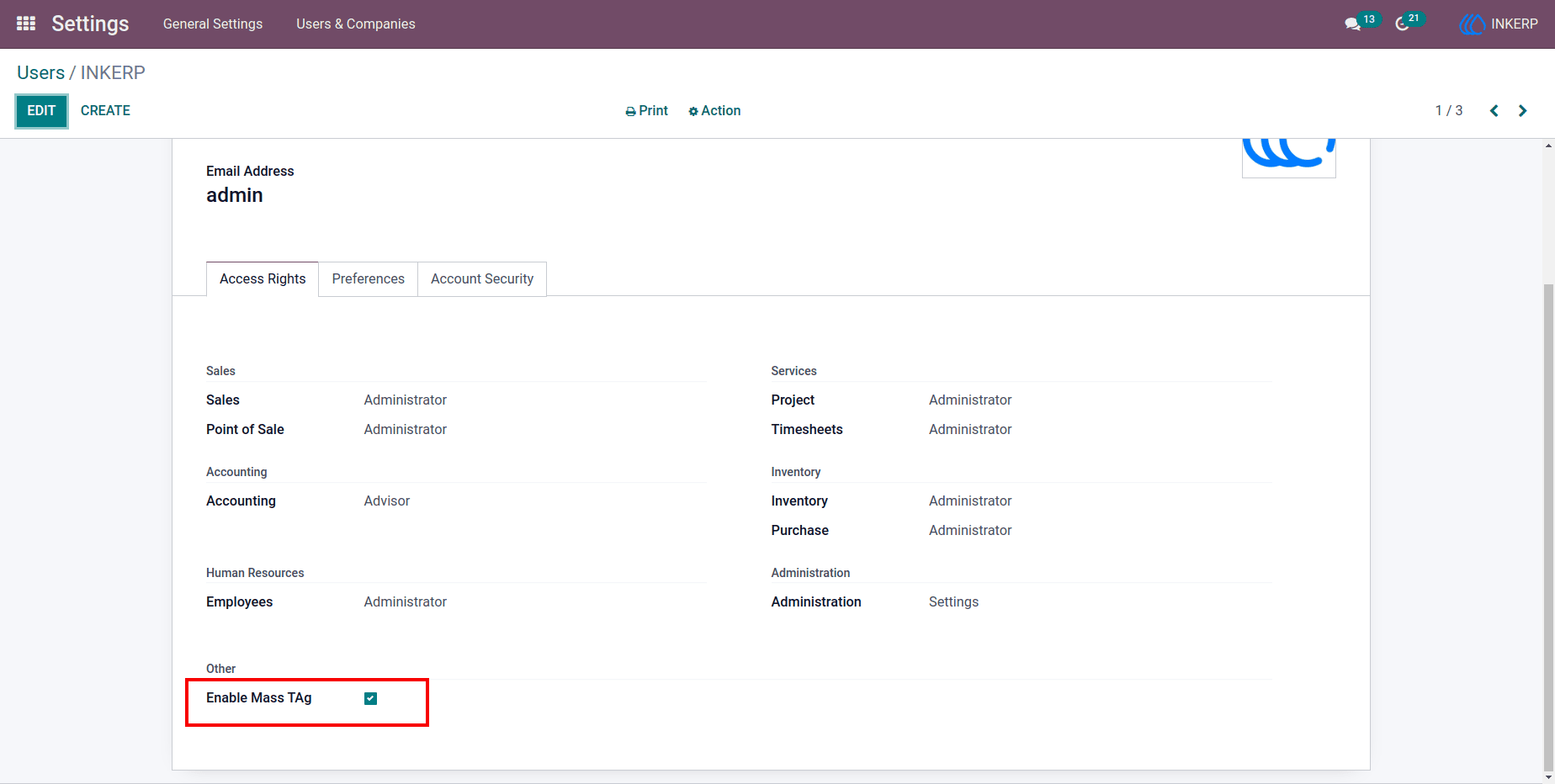
7.) Users View (Mass Tag Permission)
User-level permissions provide control over who can access the mass tagging feature.
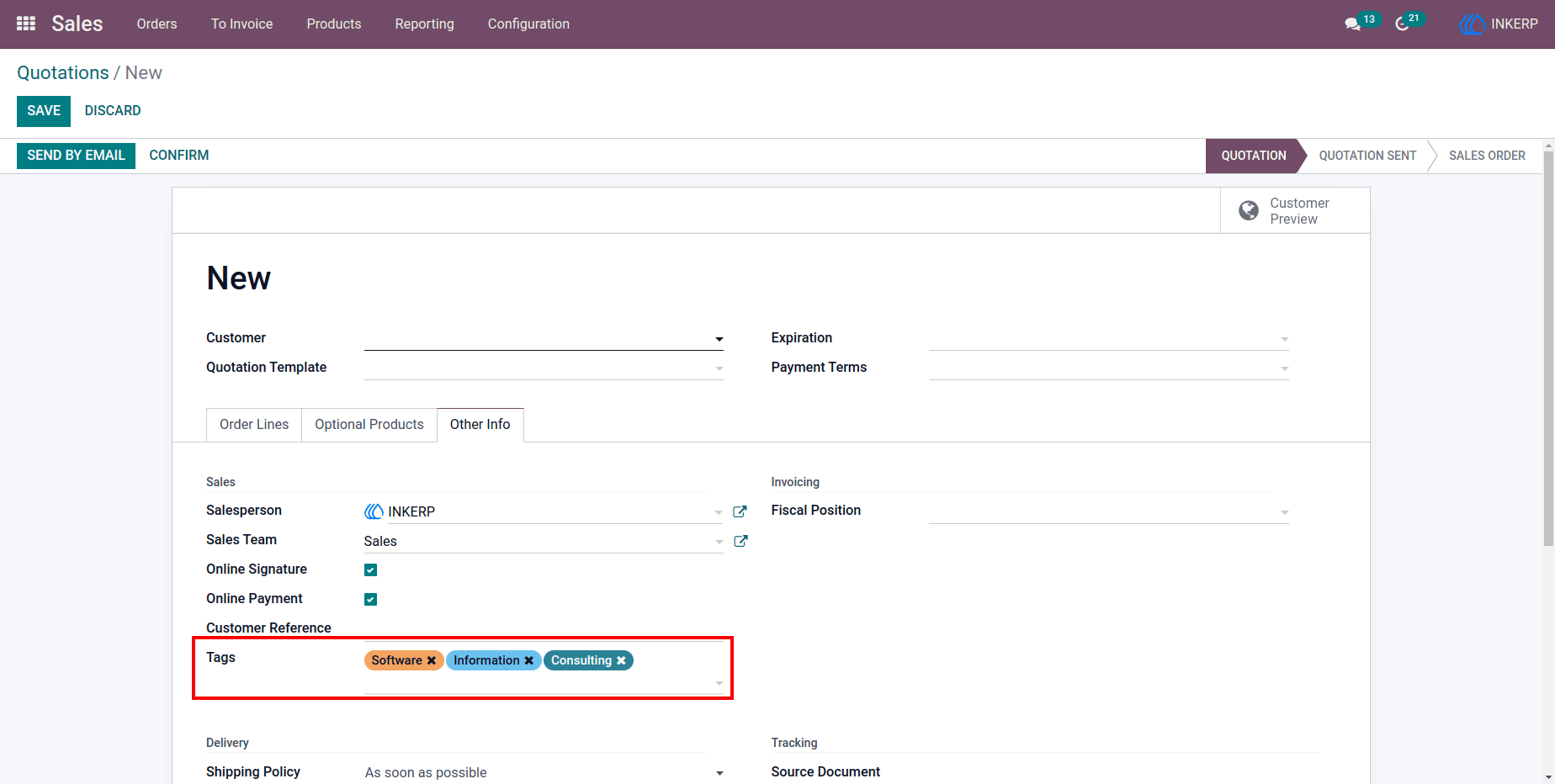
8.) Quotations View with Default Tags
When a user with mass tagging rights creates a quotation, predefined default tags are automatically applied.
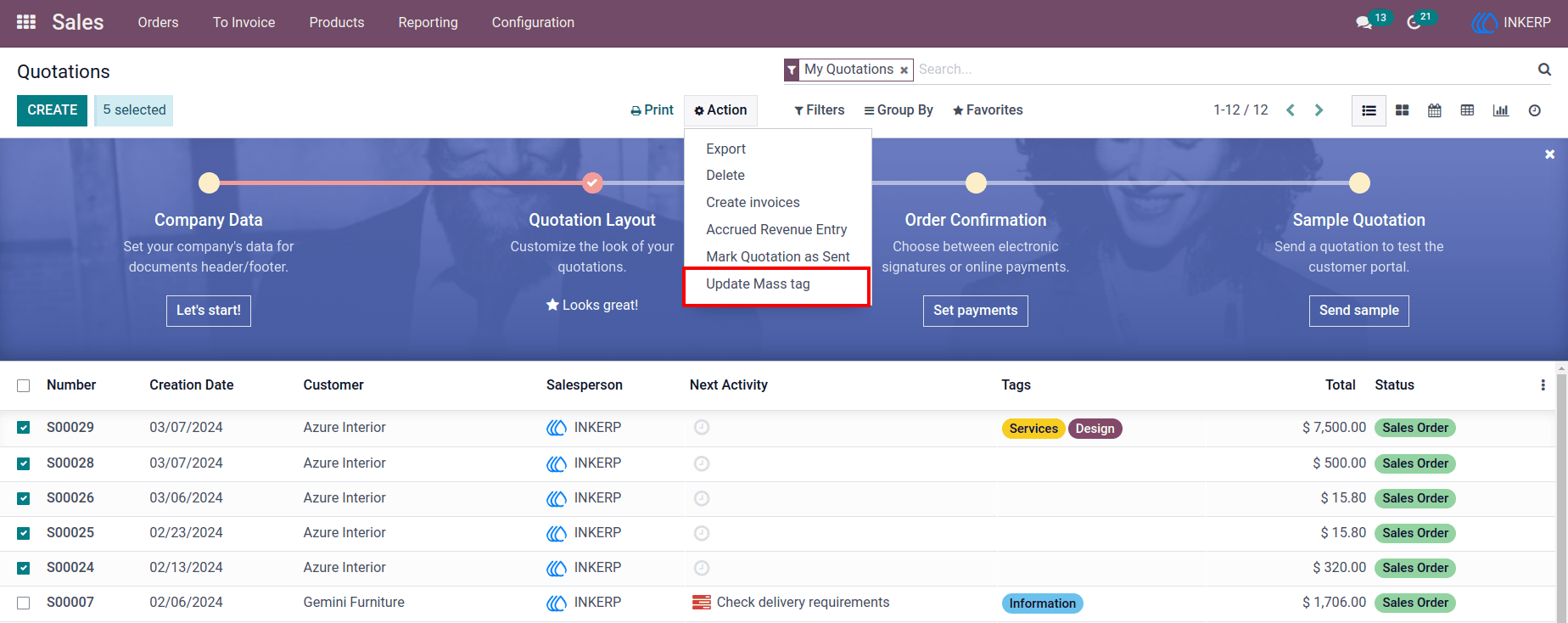
9.) Quotation Mass Tag Updating View
Multiple quotations can be selected directly from the list view and updated in bulk using the “Update Mass Tag” action.
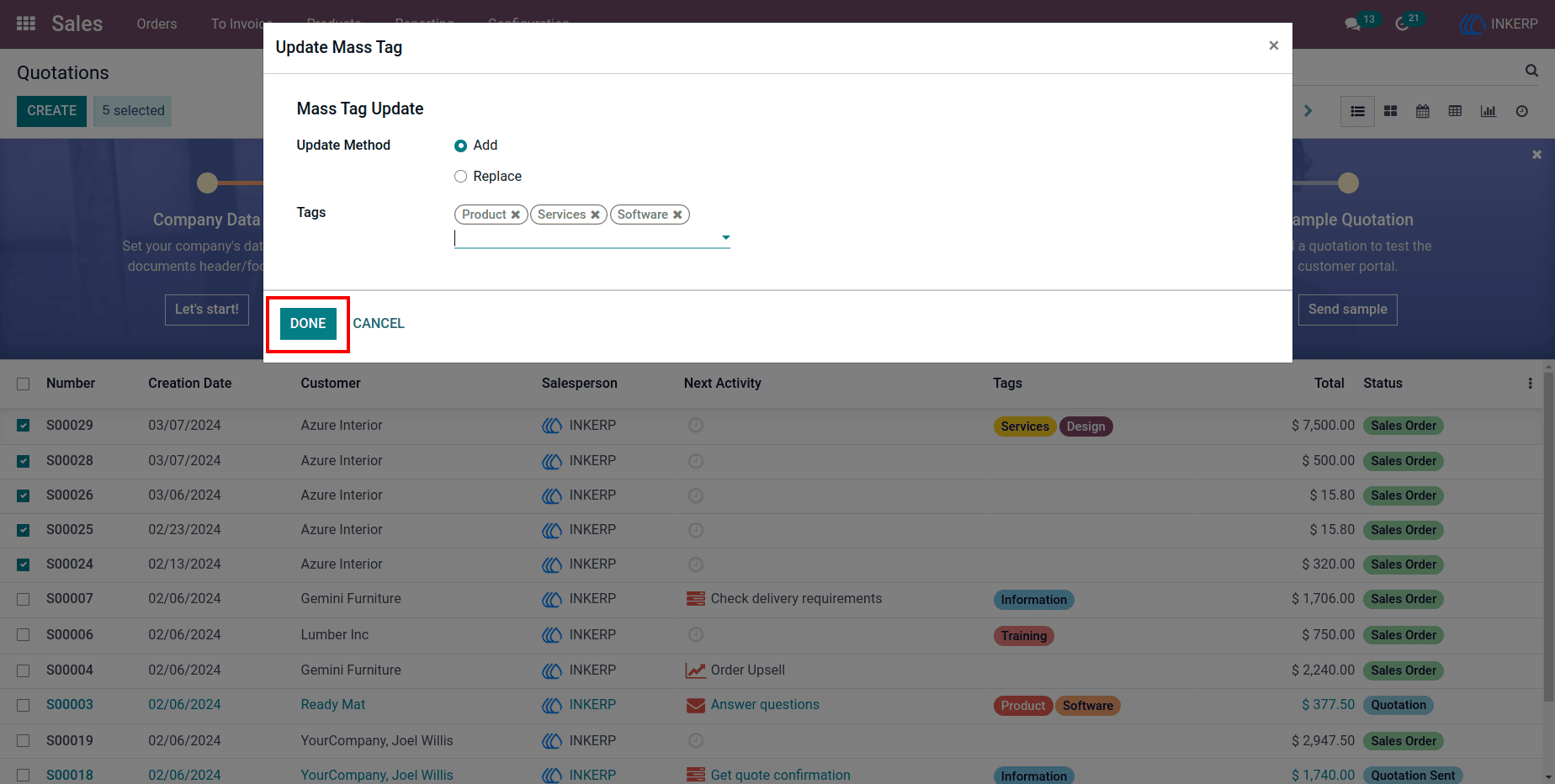
10.) Mass Tag Update Wizard
A user-friendly pop-up allows users to choose the update method and select desired tags before applying changes.
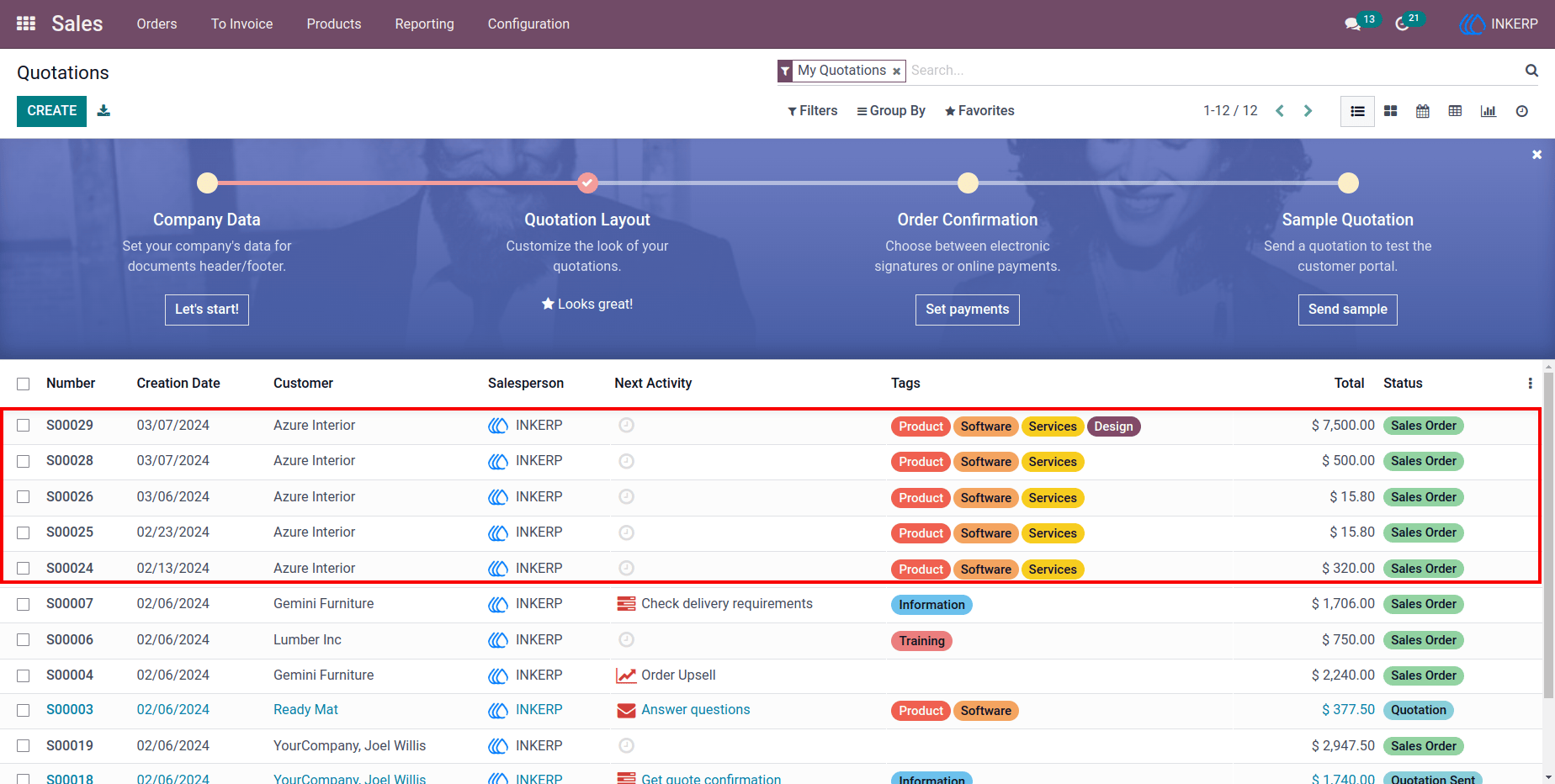
11.) Updated Tags View
After applying changes, updated tags are immediately reflected in the selected records.
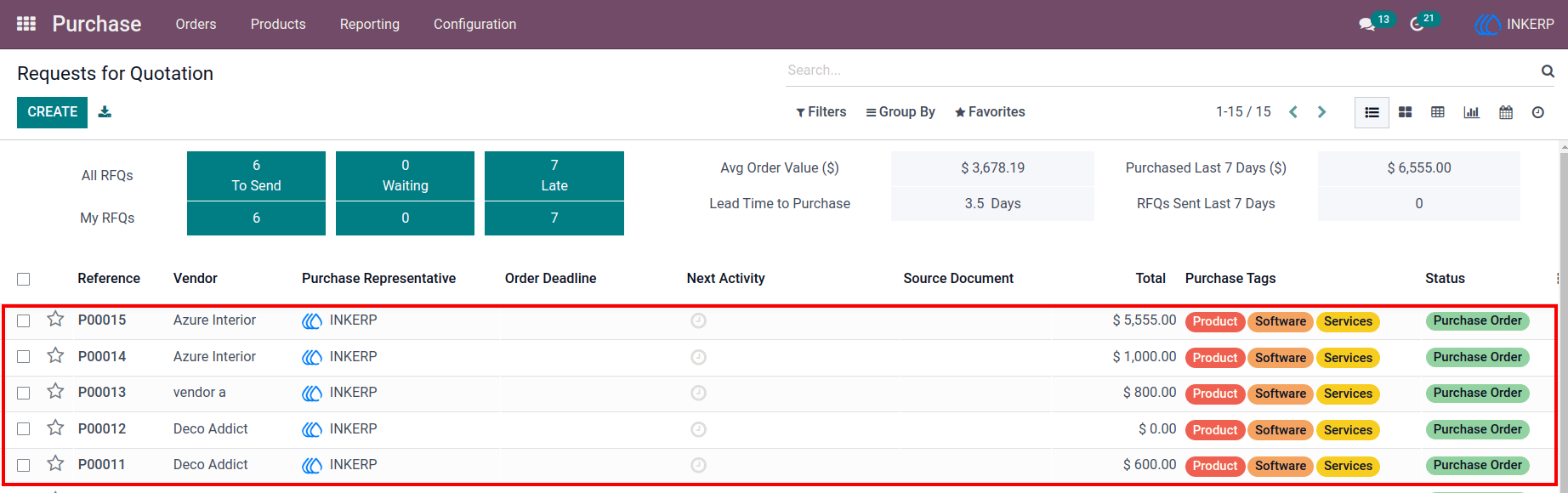
12.) Purchase RFQ View
The same tagging and mass update capabilities extend to purchase requests for quotation, ensuring consistent functionality across procurement processes.
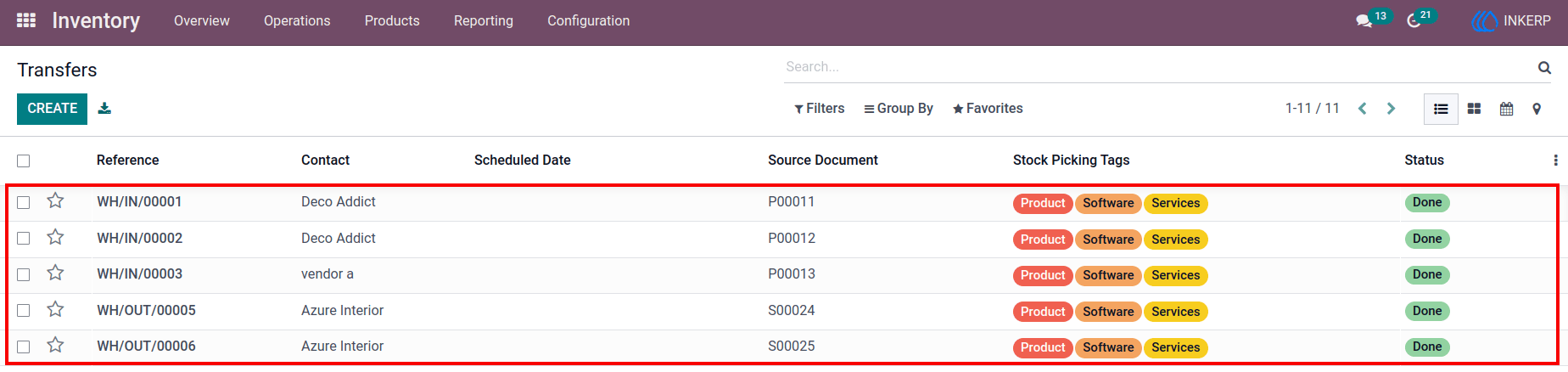
13.) Inventory Transfers View
Inventory operations benefit from tagging as well, allowing users to categorize and manage transfers efficiently.
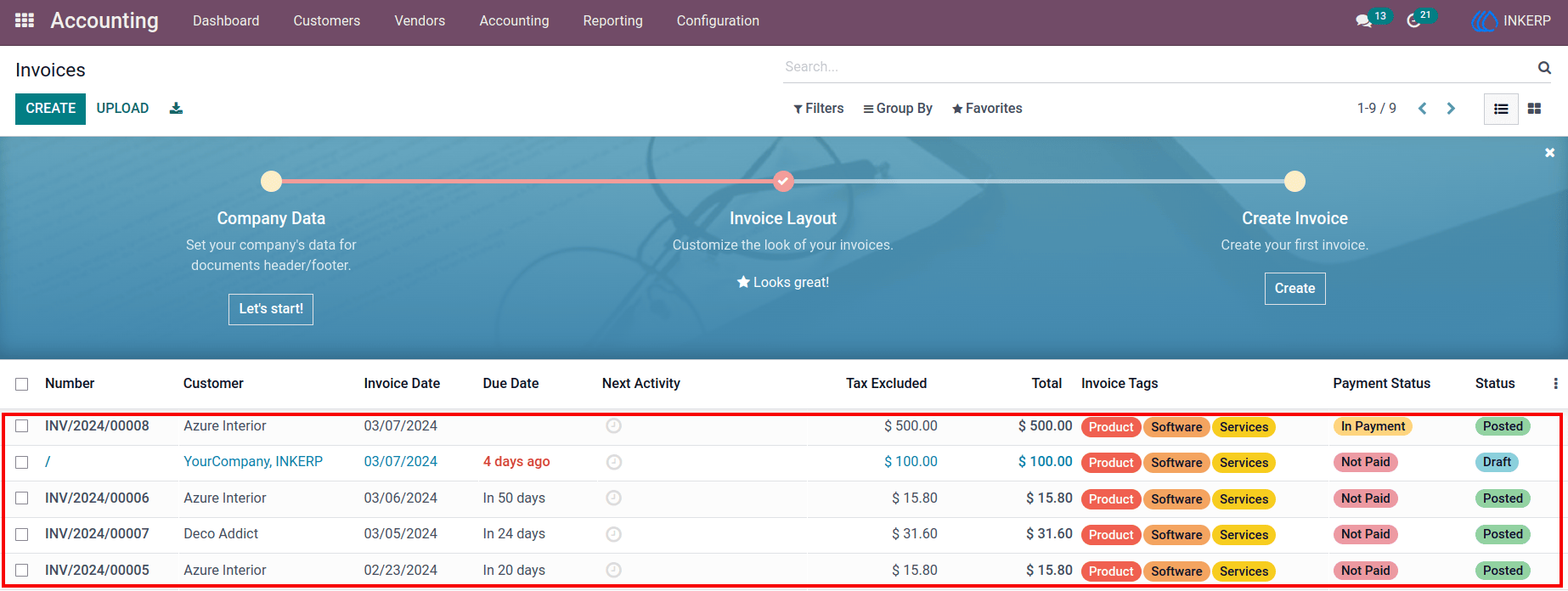
14.) Accounting Invoices View
Tagging functionality is available for accounting documents such as invoices, enabling better categorization and easier financial tracking.
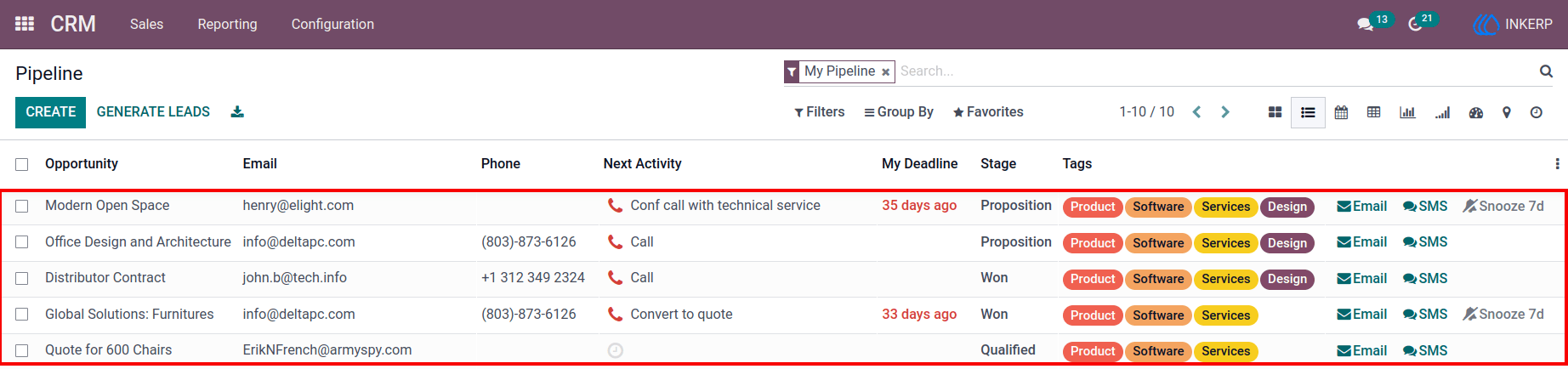
15.) CRM Pipeline View
Tags enhance CRM pipeline management by helping categorize opportunities and leads effectively.
User Guide